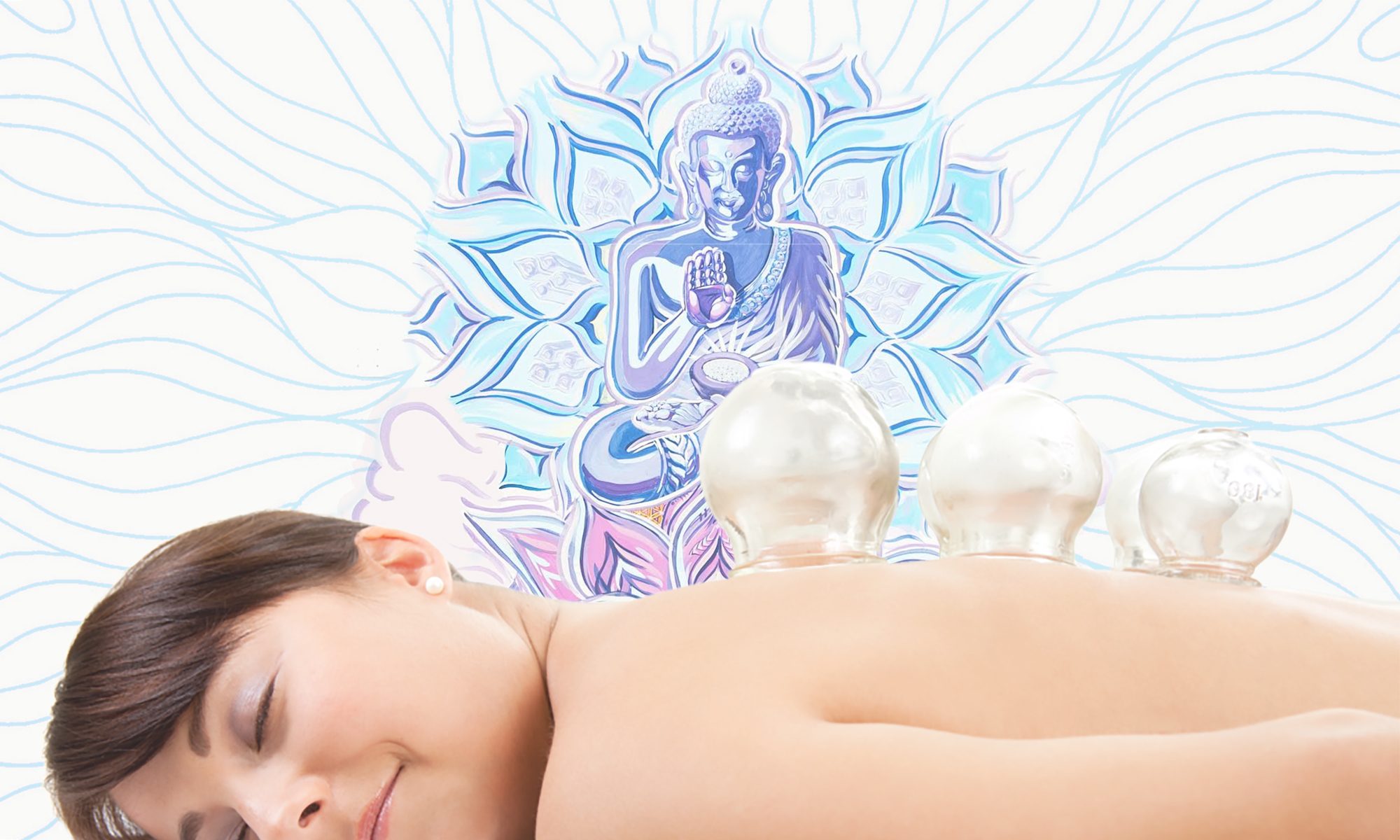


What is Fire cupping?
In western medicine cupping is considered a form of Myofacial release. Similar modalities like deep tissue massage or Shiatsu also releases facia. Facia is an intersitial tissue that surrounds all of our organs & creates a protective layer between skin & muscle. Facia can contract & tighten, or ‘dry out’ due to injury, or trauma. Lack of blood flow to sites of injury contribute to facia tightening and in turn cuase pain, discomfort & many other health issues.
Cupping is a type of deep tissue body work therapy that originated in China, but many other cultures also practiced cupping as a form of traditional medicine. Cupping has many therpeautic uses in Chinese medicine;
- For body work, recovering from physical training & injury like deep tissue massage.
- As a treatment on the upper back to help get rid of colds & flu’s. For upper respitory track inflamation.
- Slide Cupping, using glass cups oil & light suction to move the cups up & down the body, much like a massage. Going over large muscles like the para-spinals or places on the body that have tension.
- ‘Wet Cupping’ for pulling ‘dead’ or ‘coagulated’ blood out of injury sites, after severe trauma. Like a car accident.
- As first aid, to help pull out toxins or venom after a animal or insect bite.
How Does Cupping Work?
Cupping lifts & help seperate facia from skin & mussle. This allows increased blood circulation to the area where the cups are placed. This relieves muscle tension, & will improve overall blood flow and promote cell repair. It has also been shown clinically to help form new connective tissues and create new blood vessels in the tissue area treated.
The suction created during cupping helps facilitate the flow of “qi” in the body. Qi is a Chinese word meaning life force. Ge Hong (A.D 281 to A.D 341), a famous Taoist alchemist and herbalist, was reportedly the first to practice cupping.
Many Taoists believe that cupping helps balance yin and yang, or the negative and positive, within the body. Restoring balance between these two extremes is thought to help with the body’s resistance to pathogens in addition to its ability to increase blood flow and reduce pain.



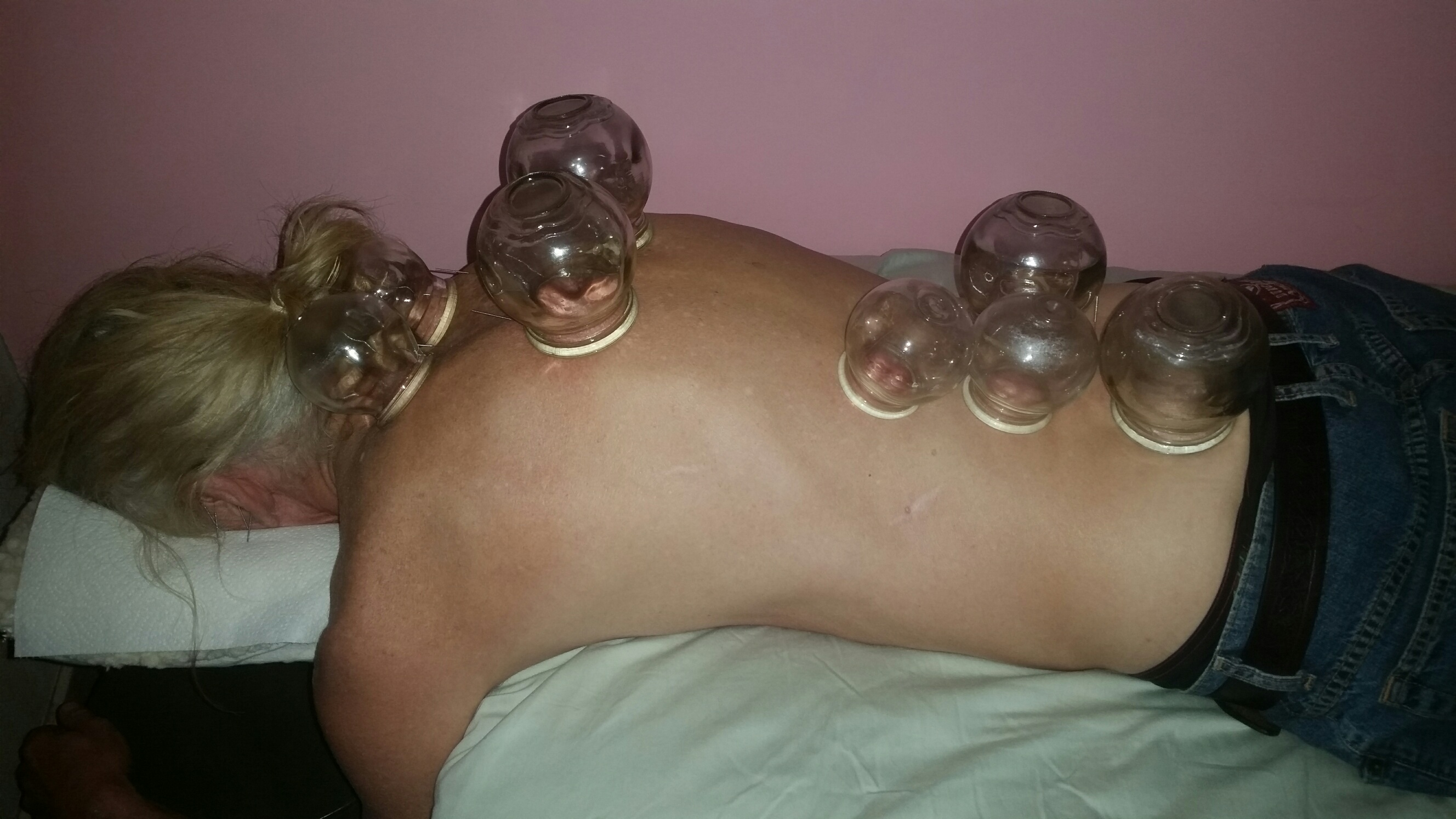
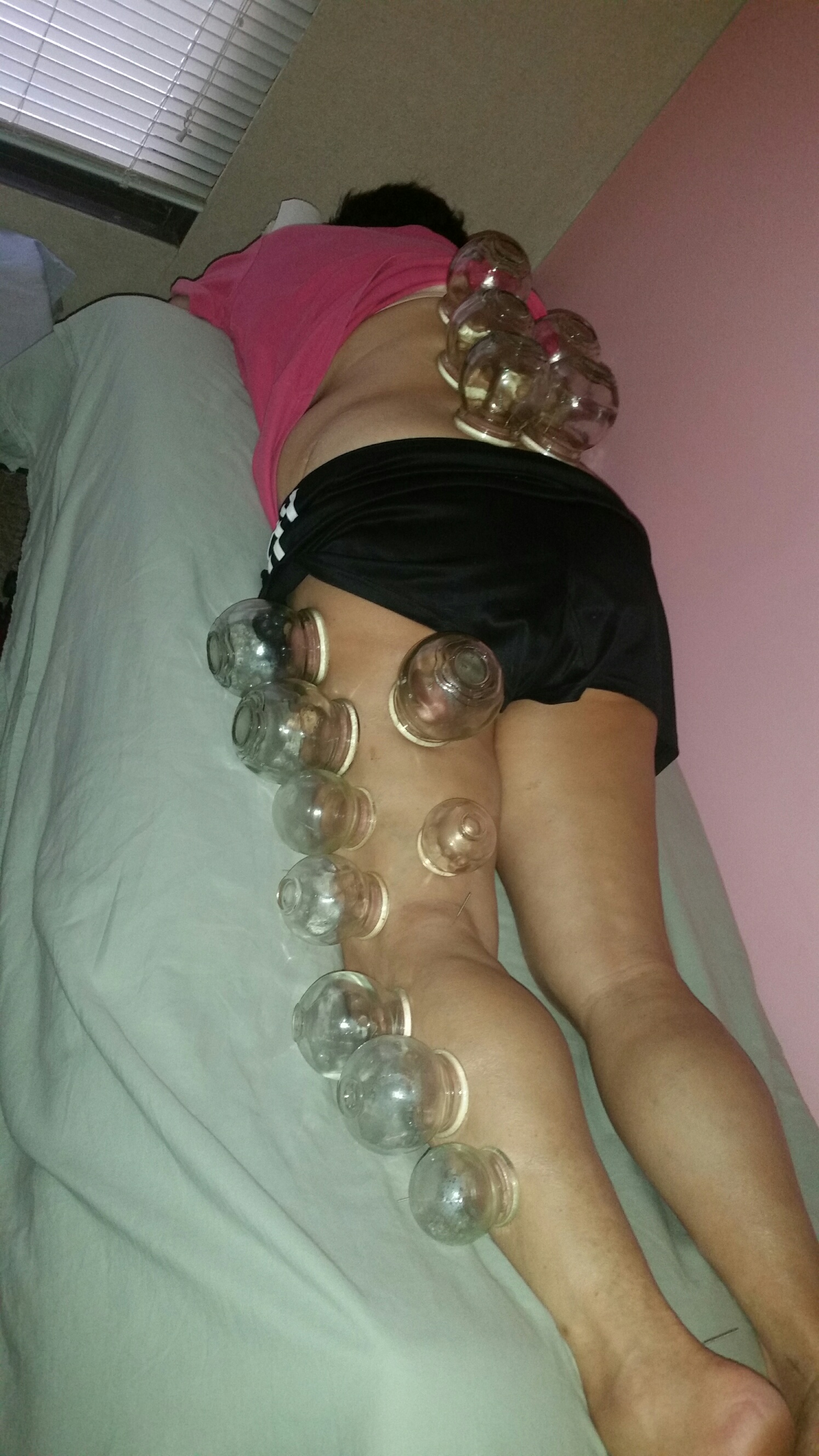
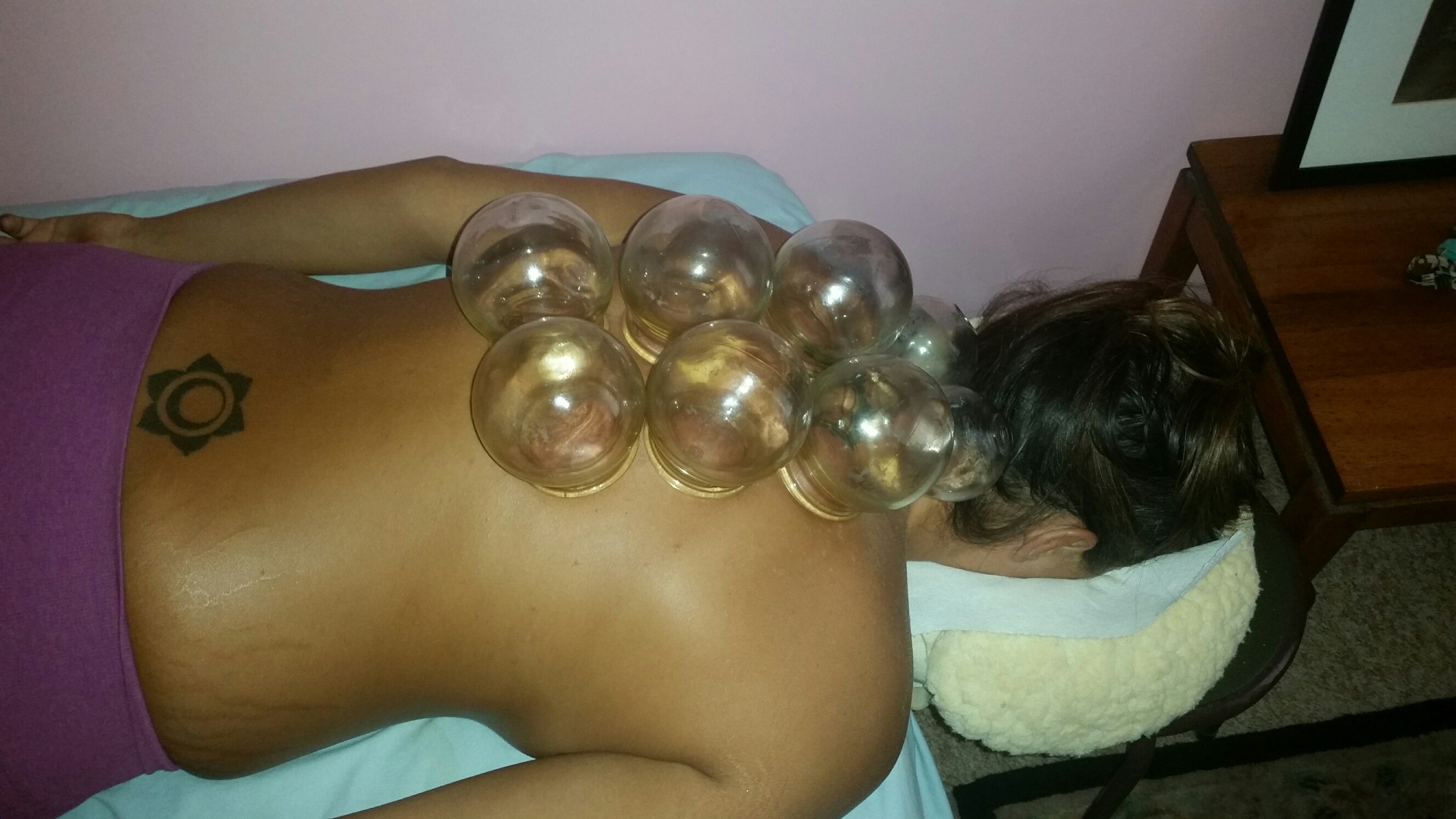

What should I expect during a cupping treatment?
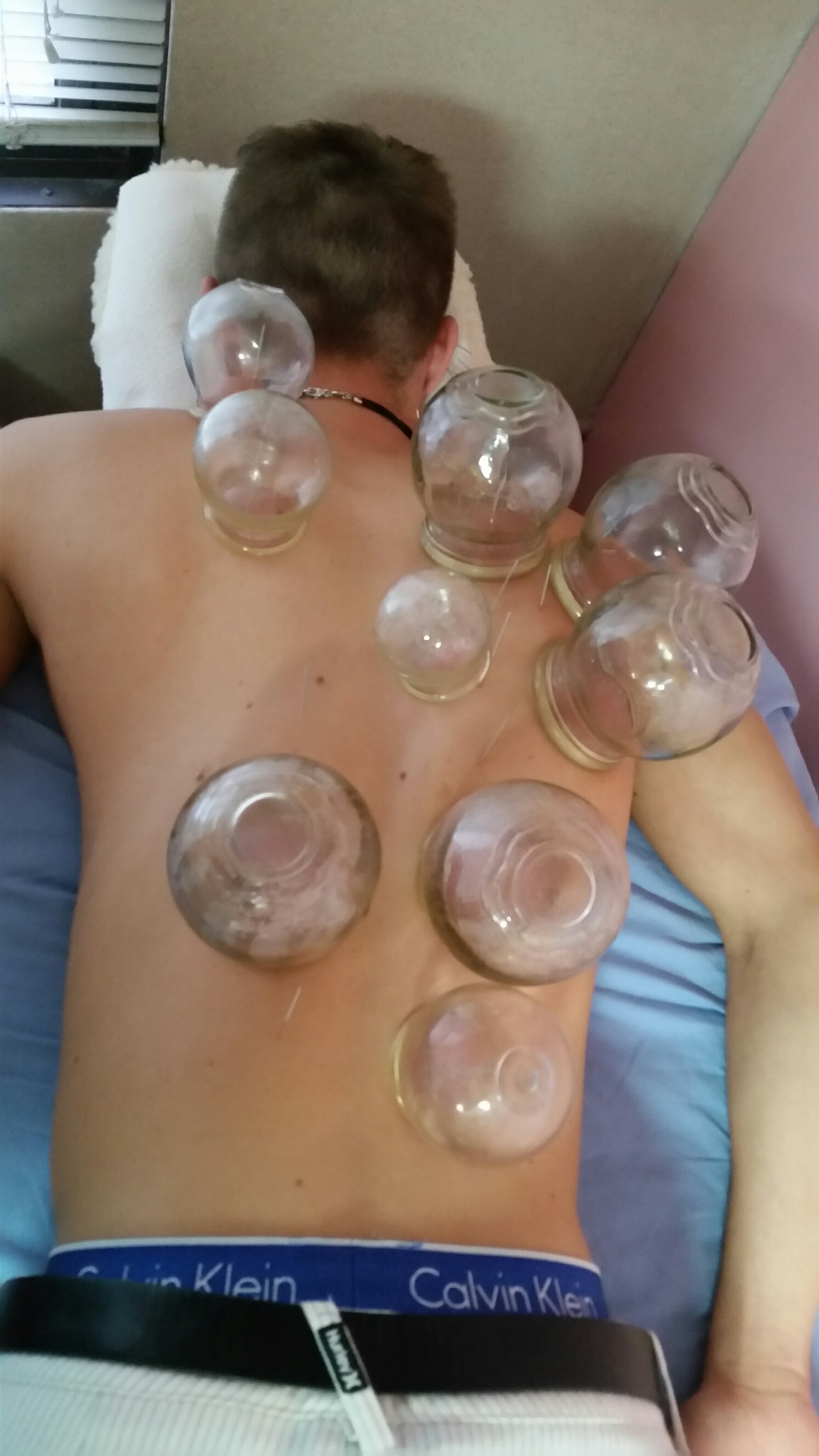
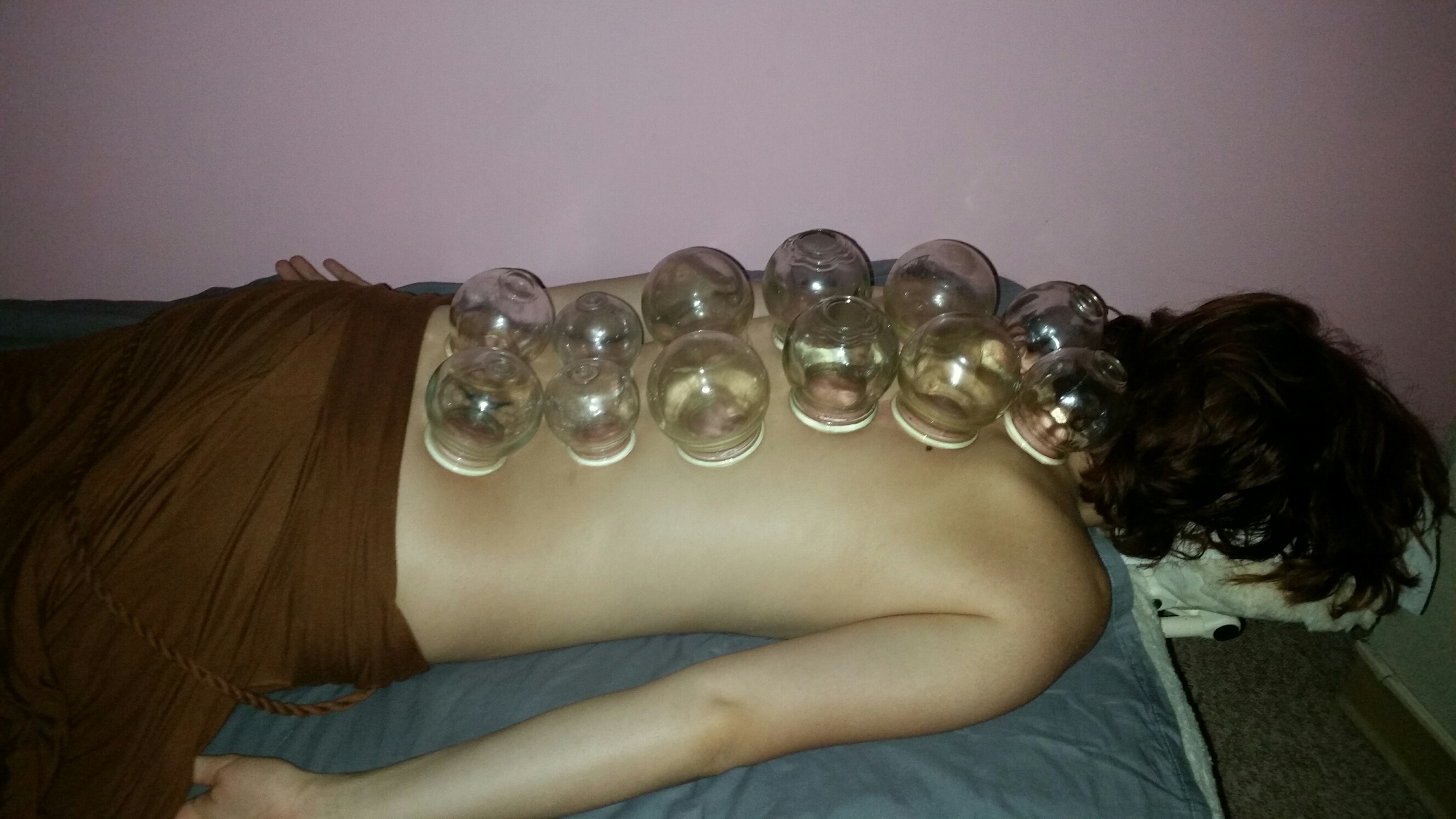
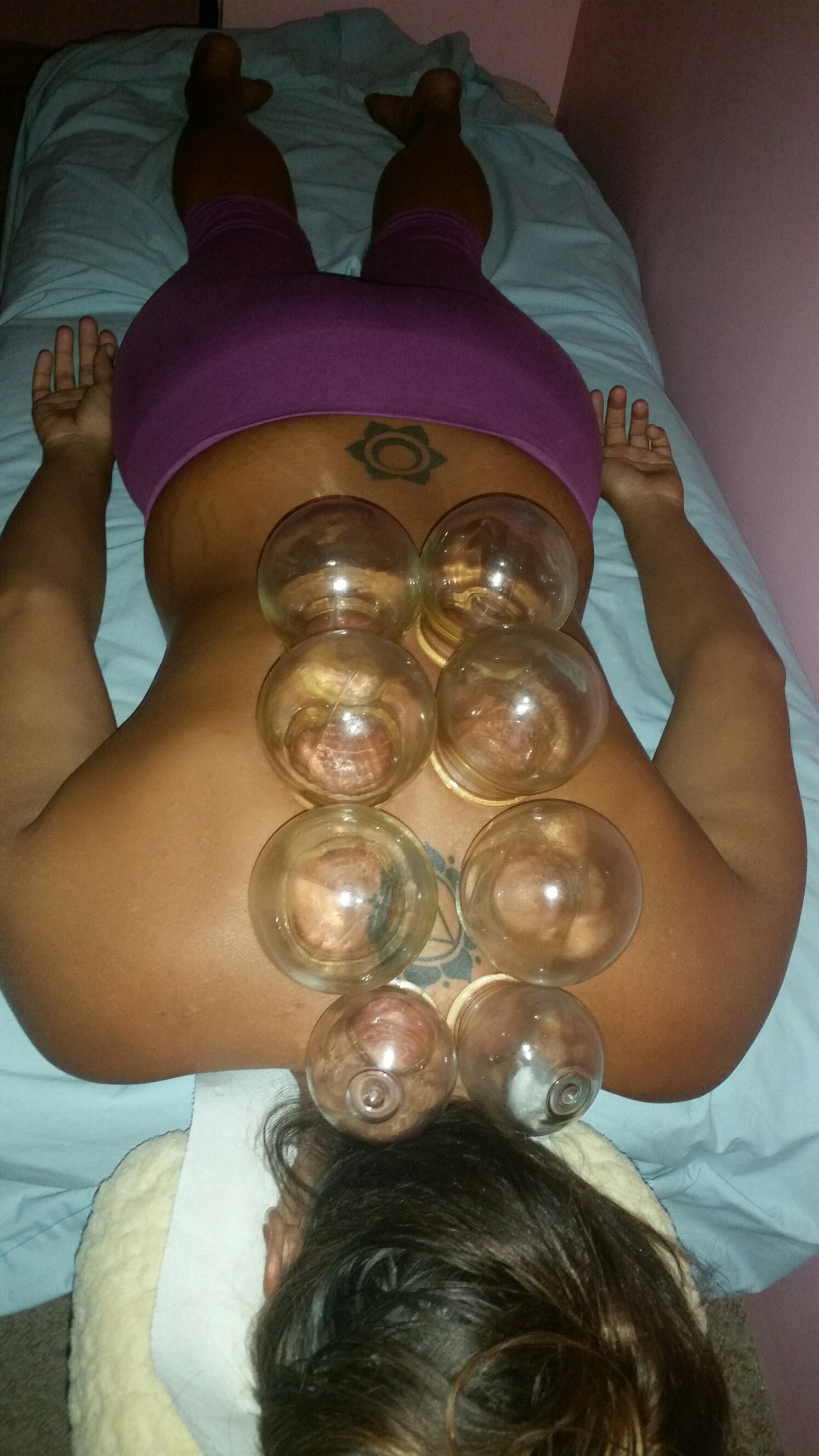
During a cupping treatment, depending on the method, a cup is placed on the skin and then heated or suctioned onto the skin. The cup is often heated with fire using alcohol, herbs, or paper that’s placed directly into the cup. The fire source is removed, and the heated cup is placed with the open side directly on your skin.
At our clinic we prefer Fire Cupping over plastic cups they could be using rubber pumps to create suction rather than the more traditional heat methods.
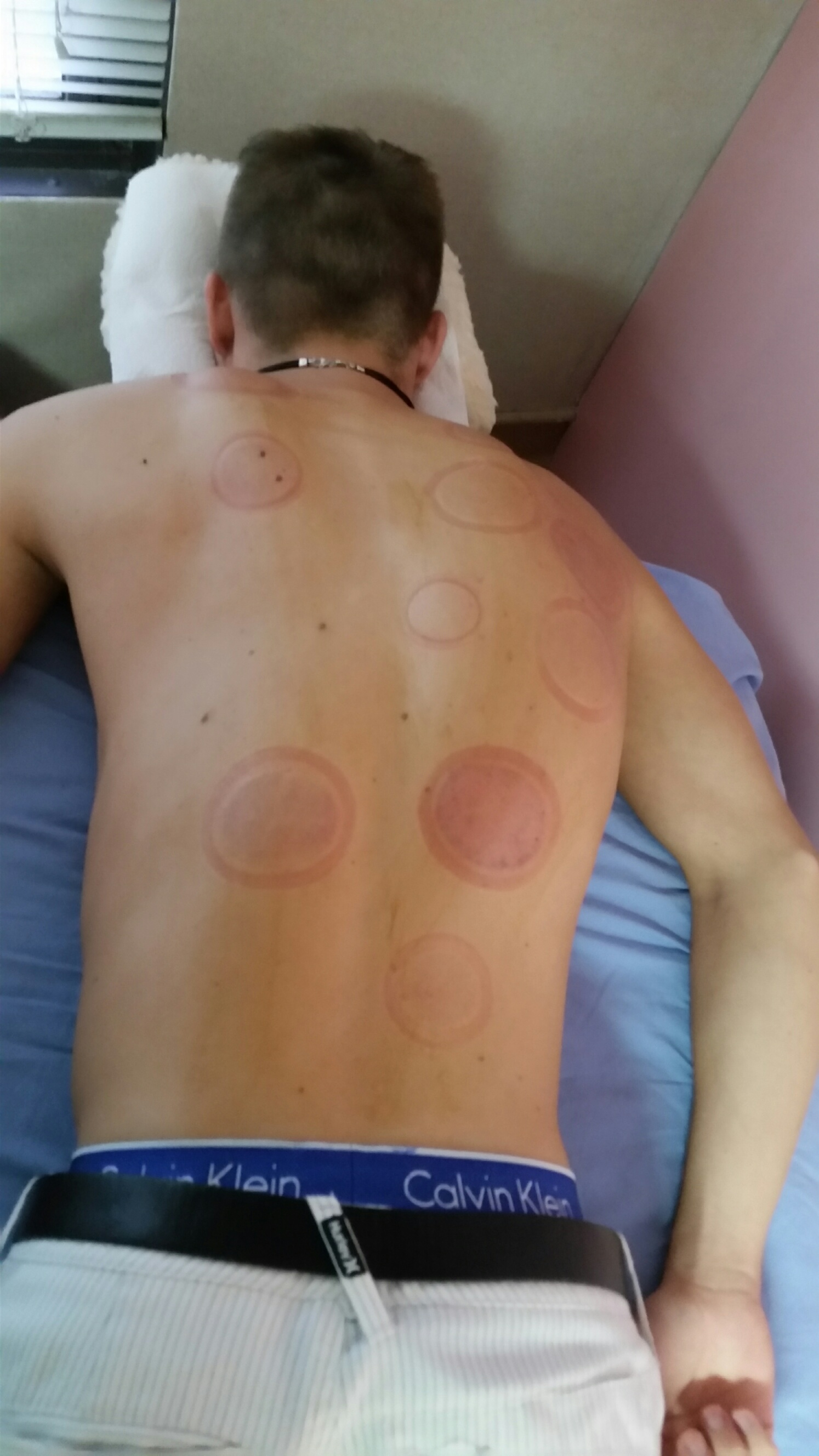
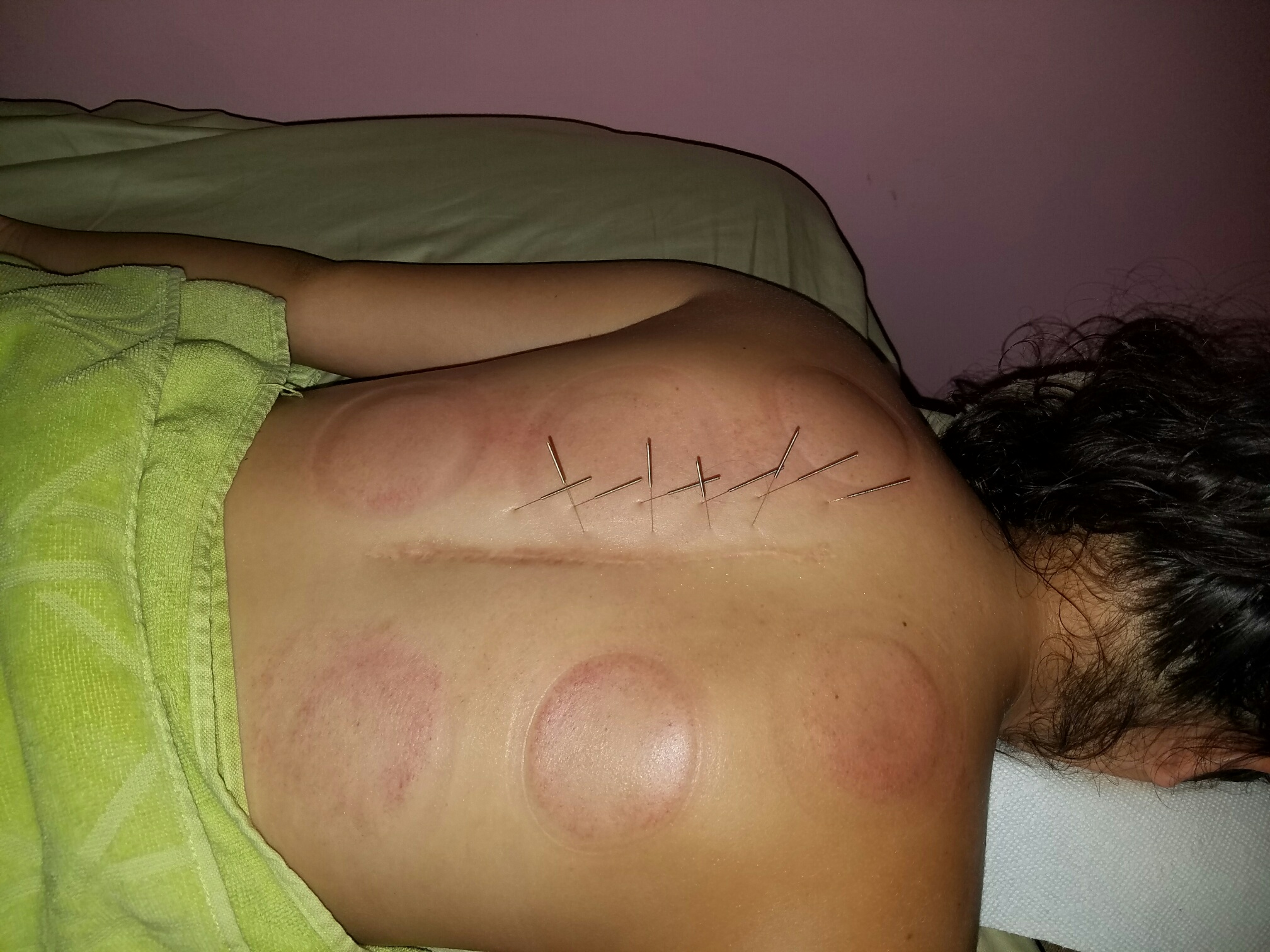
When the hot cup is placed on your skin, the air inside the cup cools and creates a vacuum that draws the skin and muscle upward into the cup. This can result in your skin turning red as the blood vessels respond to the change in pressure.
With dry cupping, the cup is set in place for a set time, usually between 20 and 45 minutes. With wet cupping, cups are usually only in place for a few minutes before the practitioner removes the cup and makes a small incision to draw blood.
After the cups are removed, the practitioner may cover the previously cupped areas with ointment and bandages; this helps prevent infection. Any mild bruising or other marks usually go away within 10 days of the session.
Cupping is sometimes performed along with acupuncture treatments. We here at Acupuncture Arts Hawaii are experts at Fire Cupping. Come in today for a session!

Why are there different types of Cups & what are they used for?
Glass Vs Plastic
Cupping was originally performed using animal horns, as time progressed, the cups were made from bamboo and then ceramic. The suction was primarily created through the use of heat. The cups were originally heated with fire and then applied to the skin. As they cooled, the cups drew the skin inside.
Modern fire cupping is performed using glass cups that are rounded like balls and open on one end. A cotton swab treated with rubbing alcohol is used with a hemostat & fire to create suction in the glass cups. Which is then placed on the body where therrepay is being conducted. Usually on acupuncture points or meridian-channels in Chinese medicine.
Many different types of cups & cupping are performed today. Cups come in several differnt forms:
- The very first cups were made out of animal horns, & used for releasing facia.
- Tradtitional cups were made out of Bamboo & used fire to create suction.
- Glass Cups & Cermaic cups are for Fire Cupping. Glass cups can also be used for ‘Slide cupping’.
- Plastic cups with the pump or handle can be used both by therapists & patients at home. The extenstion hose allows patients to reach their back or other difficult to reach spots.
- Sylicone cups & Bulb cups are more genlte and usually used on the face or sensitive areas.


Possible Side effects
There are few side effects that can be associated with cupping. The side effects you may experience will typically occur during your treatment or immediately after.
You may feel lightheaded or dizzy during and/or after your treatment. You may also experience sweating or nausea. After treatment, the skin around the rim of the cup may become irritated and marked in a circular pattern. You may also have pain at incision sites.
Infection is always a risk after undergoing cupping therapy. The risk is small and usually avoided if your practitioner follows the right methods for cleaning your skin and controlling infection before and after your session.
Other risks include:
- scarring of the skin
- hematoma (bruising)
Your practitioner should wear an apron, disposable gloves, and goggles or other eye protection. They should also use clean equipment and have regular vaccines to ensure protection against certain diseases, like hepatitis.
Always research practitioners thoroughly for your own safety and peace of mind.
If you experience any of these issues or are still unsure of how to prepare for a session, consult your practitioner. They may offer remedies or steps you can take before your session in order to avoid any discomfort.
Things to keep in mind
Most medical professionals don’t have training or a background in complementary and alternative medicine (CAM). Your doctor may be cautious or uncomfortable when answering questions related to alternative healing methods like cupping.
Some CAM practitioners may be particularly enthusiastic about their methods, even suggesting you skip over conventional medical treatments advised by your doctor.
But if you do want to try cupping as part of your treatment plan, discuss your decision with your primary care doctor. Continue with regular doctor visits related to your condition to find the right balance between traditional and modern methods of treatment.
Cupping therapy isn’t recommended for everyone. Extra caution should be taken for the following groups:
- Children. Children under 4 years old shouldn’t receive cupping therapy. Older children should only be treated for very short periods.
- Seniors. Our skin becomes more fragile as we age. Any medication you may be taking might have an effect as well.
- Pregnant people. Avoid cupping the abdomen and lower back.
- Those who are currently menstruating.
Don’t use cupping if you use blood-thinning medication. Also avoid cupping if you have:
- a sunburn
- a wound
- a skin ulcer
- experienced recent trauma
- an internal organ disorder
Preparing for your cupping appointment
Cupping is a long-practiced treatment that may help ease the symptoms of both temporary and chronic health conditions.
As with many alternative therapies, it is important to remember that there haven’t been extensive studies performed without bias to fully assess its true effectiveness.
Keep in mind that if you choose to try cupping, consider using it as a complement to your current doctor visits, not a substitute.
Here are some things to consider before beginning cupping therapy:
- What conditions does the cupping practitioner specialize in treating?
- What method of cupping does the practitioner use?
- Is the facility clean? Does the practitioner implement safety measurements?
- Does the practitioner have any certifications?
- Do you have a condition that may benefit from cupping?
Before beginning any alternative therapy, remember to let your doctor know that you’re planning to incorporate it into your treatment plan.